Homepage » Applications » Ultrasonic cleaning of diving equipment

Ultrasonic cleaning for diving equipment: Gentle cleaning during regulator servicing

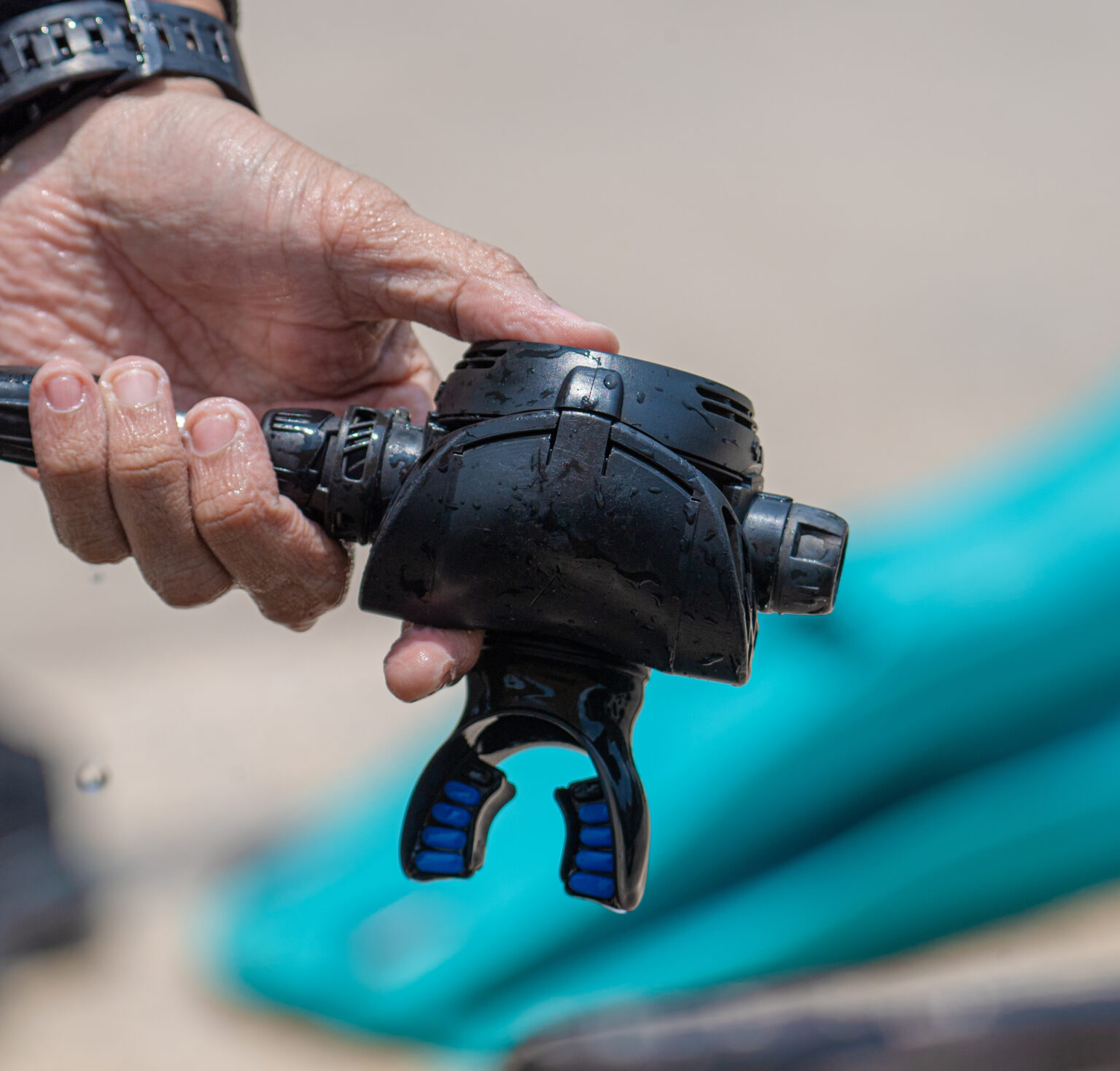
Every equipment technician at a diving centre is familiar with this scene: a regulator ends up on the workbench, covered in stubborn deposits after a busy diving season. Salt crystals block the threads, mineral deposits become lodged in fine boreholes, and stubborn biofilms form in the damp plastic recesses of mouthpieces. Conventional cleaning methods using a hand-held spray or brush fail due to the complex geometry of the components. Mechanical cleaning also carries a high risk of scratching sensitive surfaces. BANDELIN’s ultrasonic technology offers an efficient, material-friendly and reliable system solution for removing contamination without leaving any residue, even from deep-seated sintered filters and internal channels.

Are you looking for the right SONOREX ultrasound solution for your diving centre?

Let our experts advise you now on the ideal size and layout for your workshop.
The physics of cavitation: How ultrasound breaks down mineral deposits

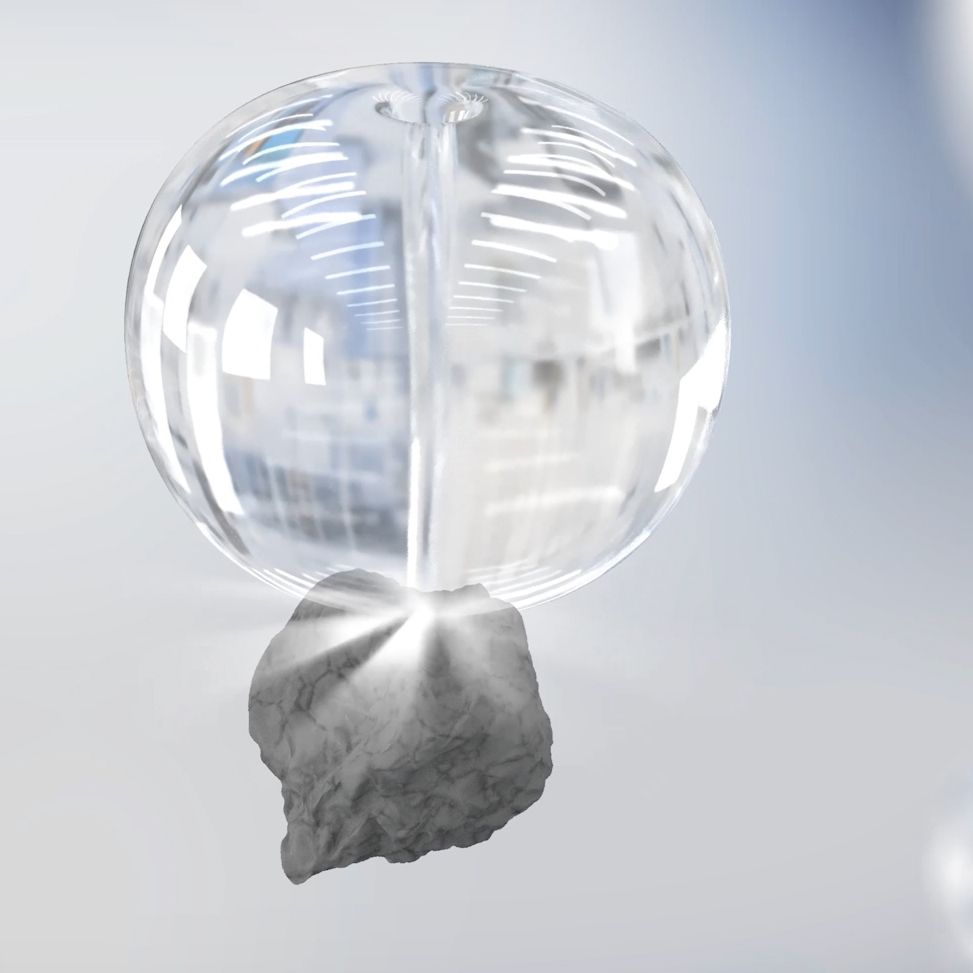
The cleaning performance of an ultrasonic bath is based on high-frequency vibrations that generate millions of microscopic vacuum bubbles in the liquid. These bubbles implode precisely at the interface with the dirt – a physical process known as cavitation. The kinetic energy released in the process removes mineral and organic deposits with pinpoint accuracy. Thanks to the pressure waves, the aqueous medium penetrates deep into porous sintered materials and inaccessible air channels that are out of reach for mechanical tools.

Important notice for garages: The use of ultrasonic baths for cleaning diving equipment is restricted to trained specialist staff only. The regulator stages must be dismantled strictly in accordance with the respective manufacturers’ service instructions before the individual parts are placed in the ultrasonic bath.

Chemical synergy: STAMMOPUR GR as a problem-solver

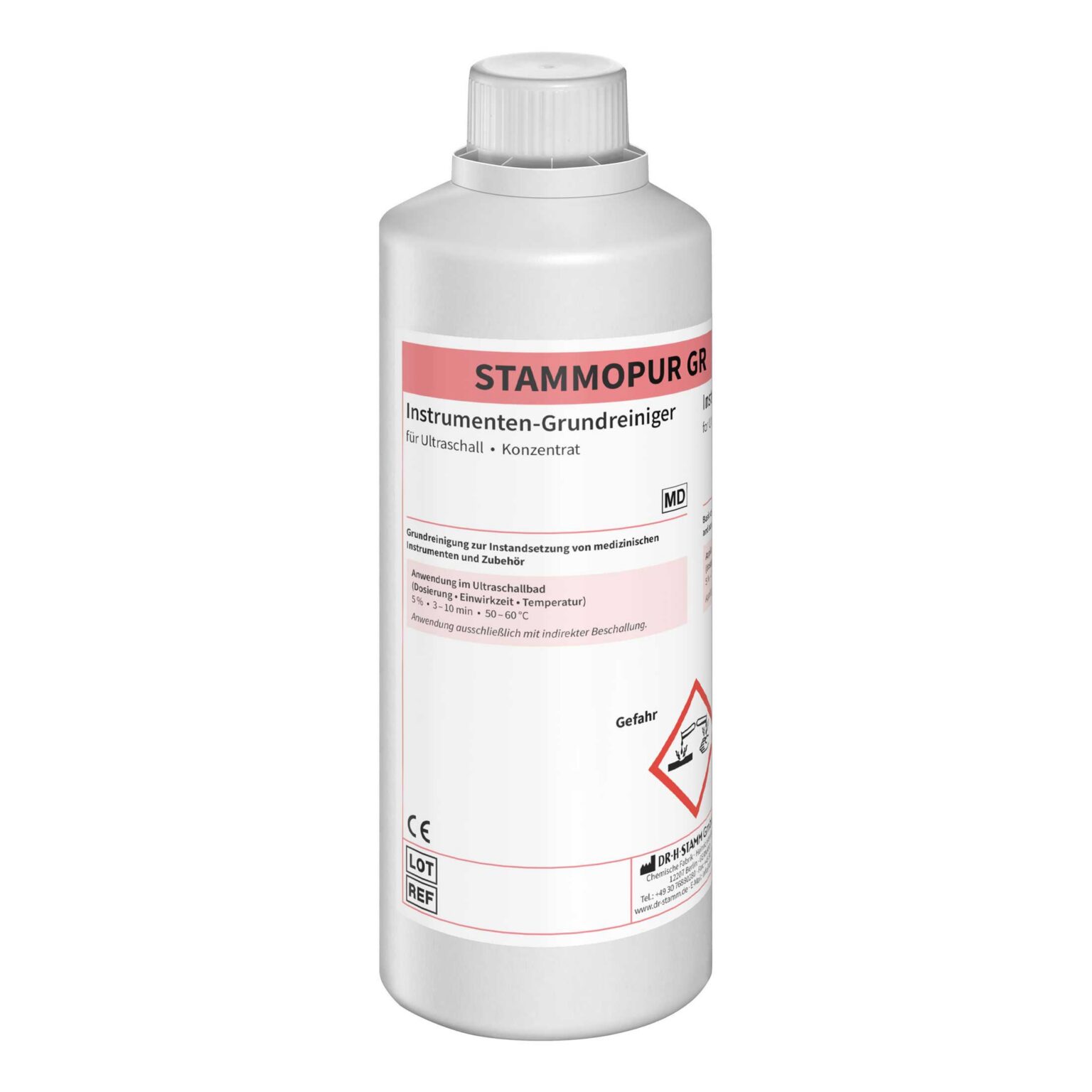
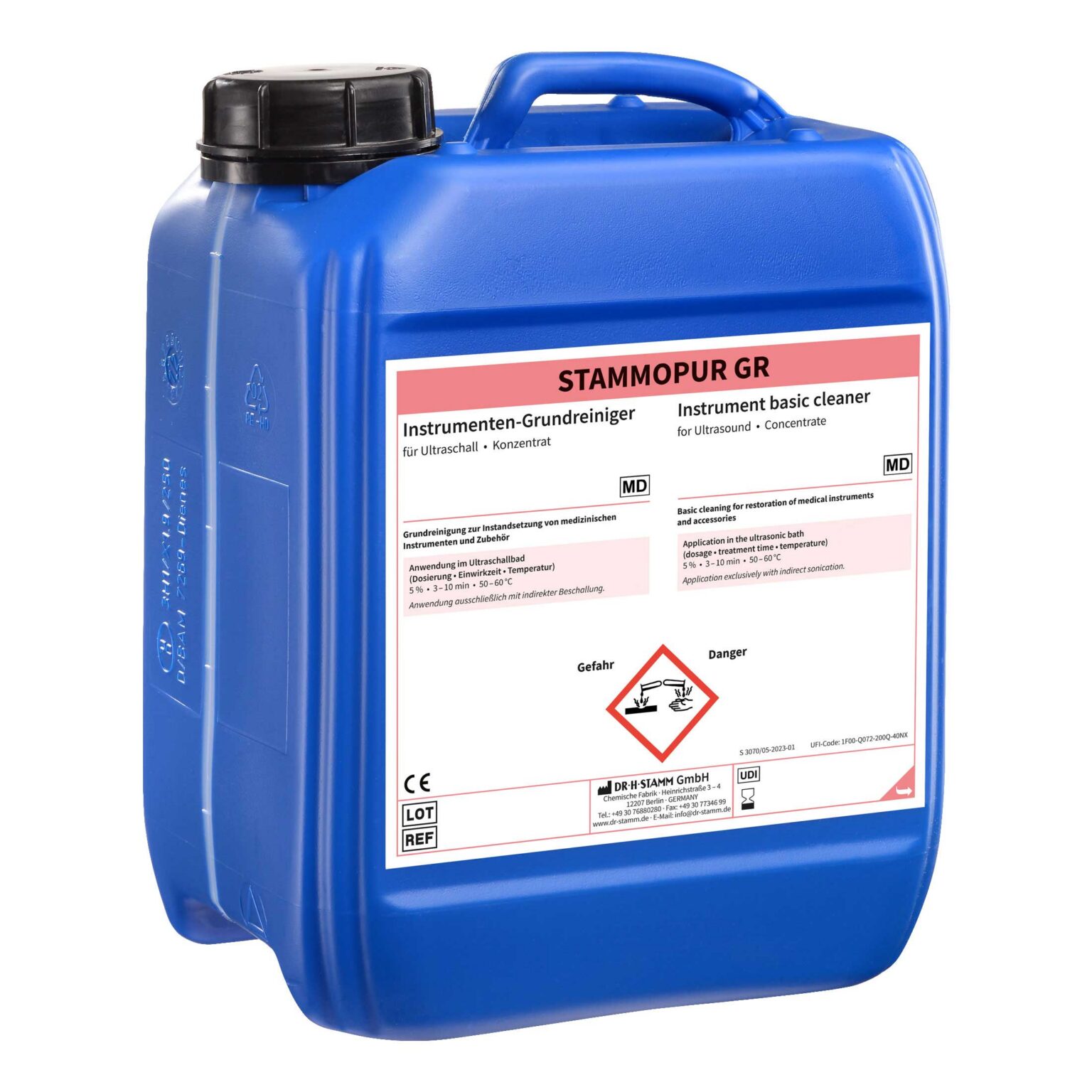
Cavitation requires a precisely formulated cleaning agent to chemically break down scale deposits. The use of conventional household cleaning products is strictly prohibited here, as these often contain aggressive acids that corrode alloys. In professional immersion cleaning services, the product STAMMOPUR GR has become established as the technical gold standard.

Targeted lime and salt solution:
Thanks to its acidic formulation (phosphoric acid), STAMMOPUR GR rapidly breaks down hard calcium and magnesium deposits.

Removal of biofilms:
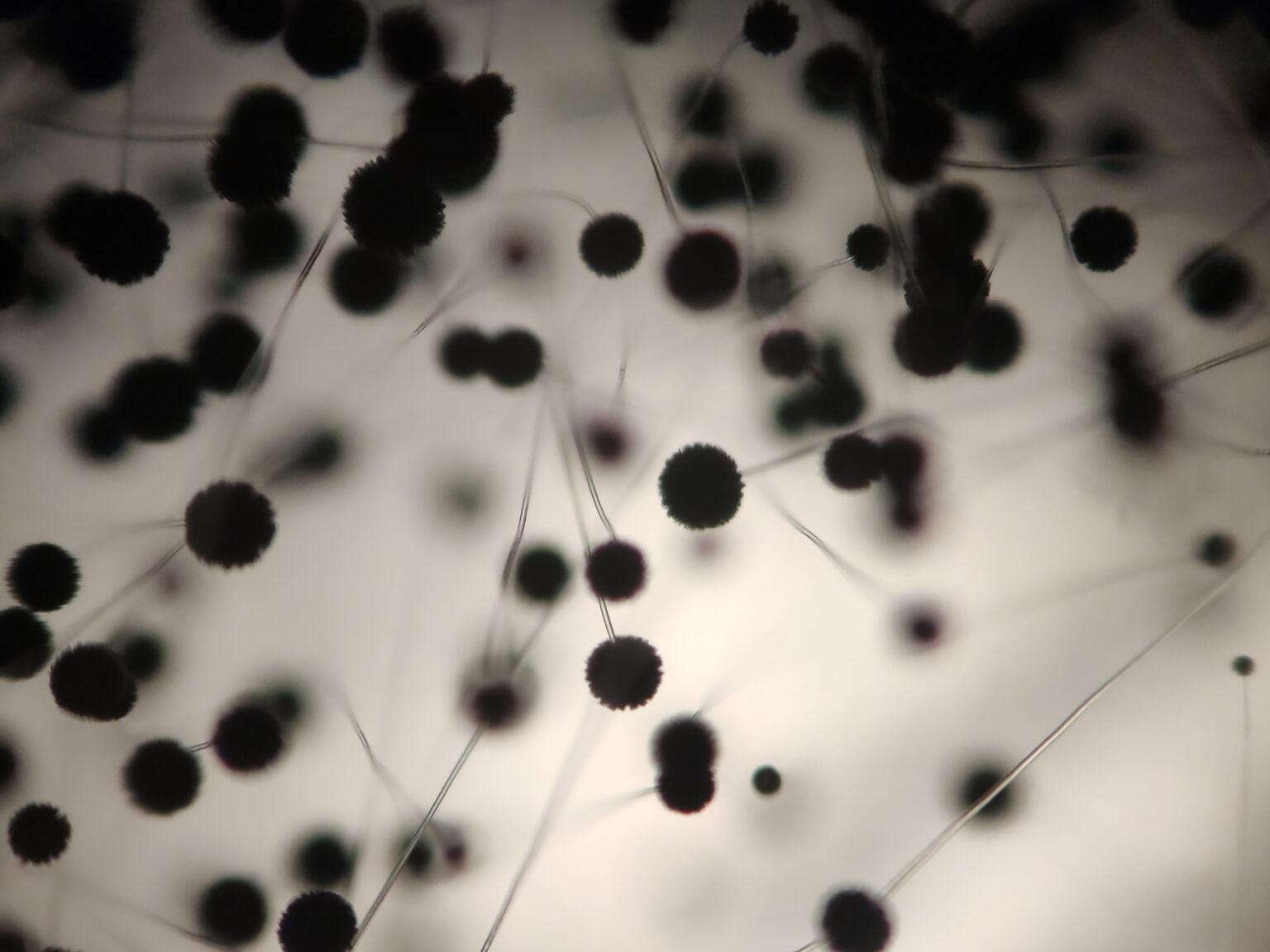
Special surfactants in the acidic range break down cellular structures. This ensures that algae, black mould (Aspergillus niger) and organic deposits are reliably removed from the components.

Gentle settings:
The optimum operating temperature is between 20 °C and a maximum of 50 °C. The recommended listening time is just 5 to 15 minutes. This short contact time ensures that elastomers, O-rings and silicone membranes are not subjected to thermal or chemical stress.

Process reliability: The two-bath process for active rinsing

Professional cleaning of diving equipment requires that it be completely free of residues. Simply rinsing under running water is not sufficient to reliably remove chemical residues trapped in narrow channels. To ensure maximum safety in the workshop, a secondary ultrasonic bath filled with fully demineralised water (DE water) is recommended.

The cavitation flow in the second bath acts as an active cleaning mechanism for the interior of the regulator. As STAMMOPUR GR is a foaming agent, this step provides a clear visual indicator: if no more foam rises in the deionised water bath as a result of the ultrasonic vibrations, the component is chemically neutral and ready for drying.

Dimensional accuracy and assembly precision at the workbench

Once the assemblies have dried, the technical result of high-quality cleaning using an ultrasonic bath becomes apparent. The pores of the sintered filters in the first stage are clear again, which is essential for a stable air delivery rate. The fine threads of the high- and medium-pressure outlets no longer contain any salt crystals. This prevents material abrasion or the brass and titanium components seizing up when screwed together. The seal seats and grooves for the O-rings are metallically clean.

For the maintenance technician, this means the highest level of precision during assembly. The new seal kits can be positioned precisely and provide a seal even under fluctuating ambient pressure. As no mechanical tools such as stiff brushes were used, the dimensional accuracy of the housing components is maintained. The ultrasonic bath thus provides a clean technical starting point for returning the regulator to service in exact accordance with the manufacturer’s specifications.

The right equipment for your diving centre

Discover the BANDELIN SONOREX ultrasonic baths and STAMMOPUR GR, a preparation specially formulated for diving.

FAQ on ultrasonic cleaning using the immersion method

No, provided the parameters are correct. At a maximum temperature of 50 °C and an ultrasonic treatment time of 5 to 15 minutes in a STAMMOPUR-GR solution, sealing materials will not be damaged. As seal kits are usually replaced during an overhaul anyway, cleaning is primarily intended for the O-ring grooves. Clean grooves ensure that the new seals fit precisely and remain leak-tight.

The solution should be replaced when it becomes visibly cloudy or when there is a high level of particle contamination. This prevents dirt from being carried back onto sensitive components. Another physical sign of oversaturation with limescale and minerals is a reduction in acoustic intensity: the typical hissing sound of the ultrasound then becomes more muffled.

Yes, the process is safe provided the chrome plating is intact. However, if the chrome layer already shows cracks or flaking caused by mechanical impact, cavitation will penetrate beneath the layer and cause further flaking. The underlying brass takes on a reddish tinge. This effect indicates to the technician that the component was already damaged by corrosion prior to cleaning.

Ultrasonic treatment is a highly efficient method for dissolving fats and oils. However, the complete absence of grease, as required for 100 % oxygen, cannot be analytically verified by the bath alone. The final visual inspection and approval in accordance with the relevant Nitrox standard remain the responsibility of the certified technician.

Rinsing under running water is often not sufficient to remove residues of the cleaning agent from narrow internal channels and sintered filters. A second ultrasonic bath using fully demineralised water (DE water) utilises the cavitation flow as an active rinsing action. As STAMMOPUR GR produces foam, the absence of foam in the rinse bath serves as a visual indicator that the components are chemically neutral and clean.

Join us in

CONTACT

E-mail

info@bandelin.com

Give us a call!

+49 30 76880-0

Address

Heinrichstraße 3-4, 12207 Berlin

Bandelin Electronic

Quality since 1955

We - a Berlin-based family business in its third generation - specialise in the development, manufacture and distribution of ultrasonic devices, corresponding accessories and application-specific cleaning and disinfection preparations. The high vertical range of manufacture, a modern production facility and motivated employees distinguish us and are guarantors for constantly new quality products.

EN