Homepage » Applications » Ultrasonic cleaning in a tattoo studio

Ultrasonic cleaning in tattoo studios: preserving the value of genuine tools of the trade

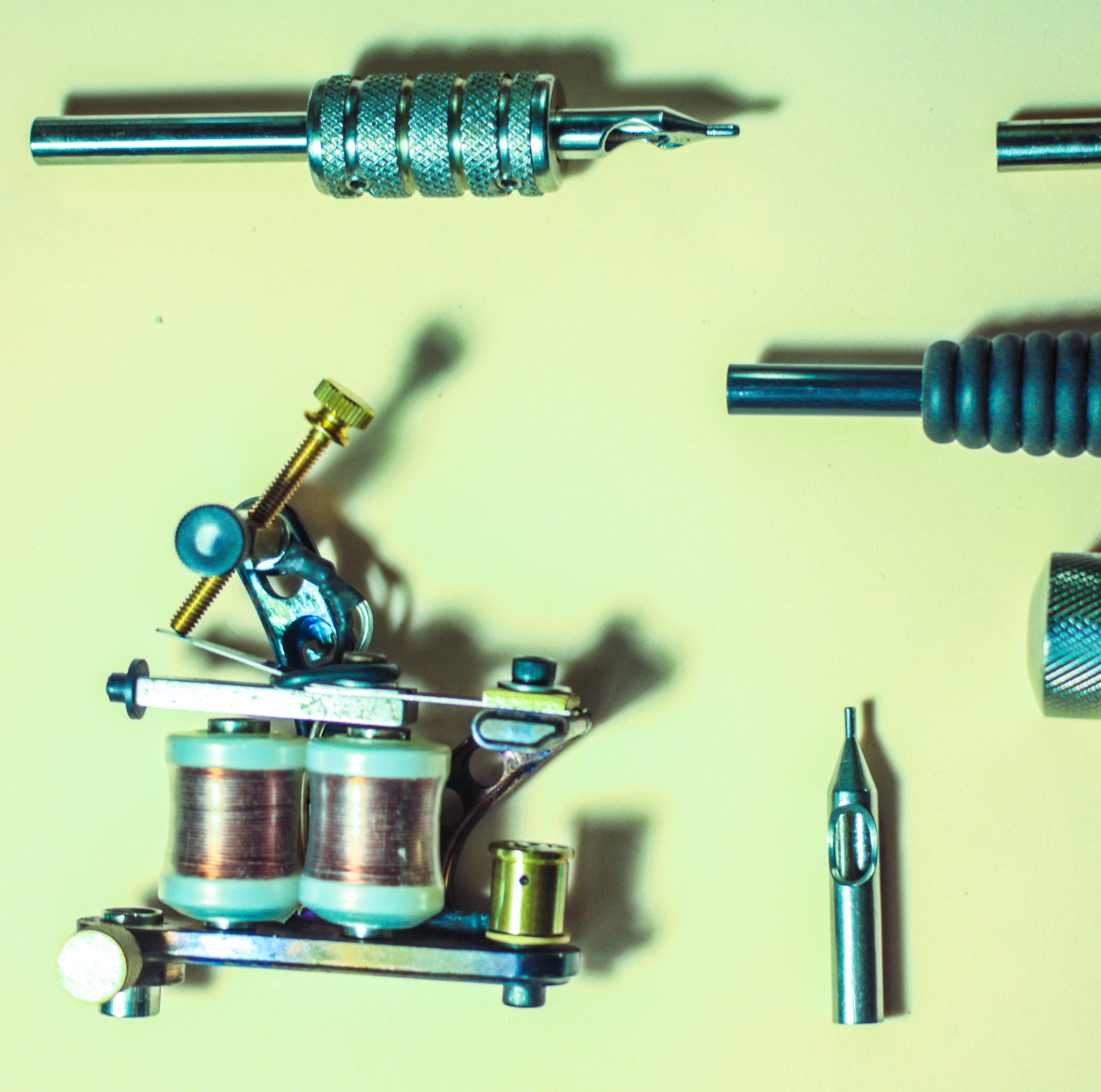
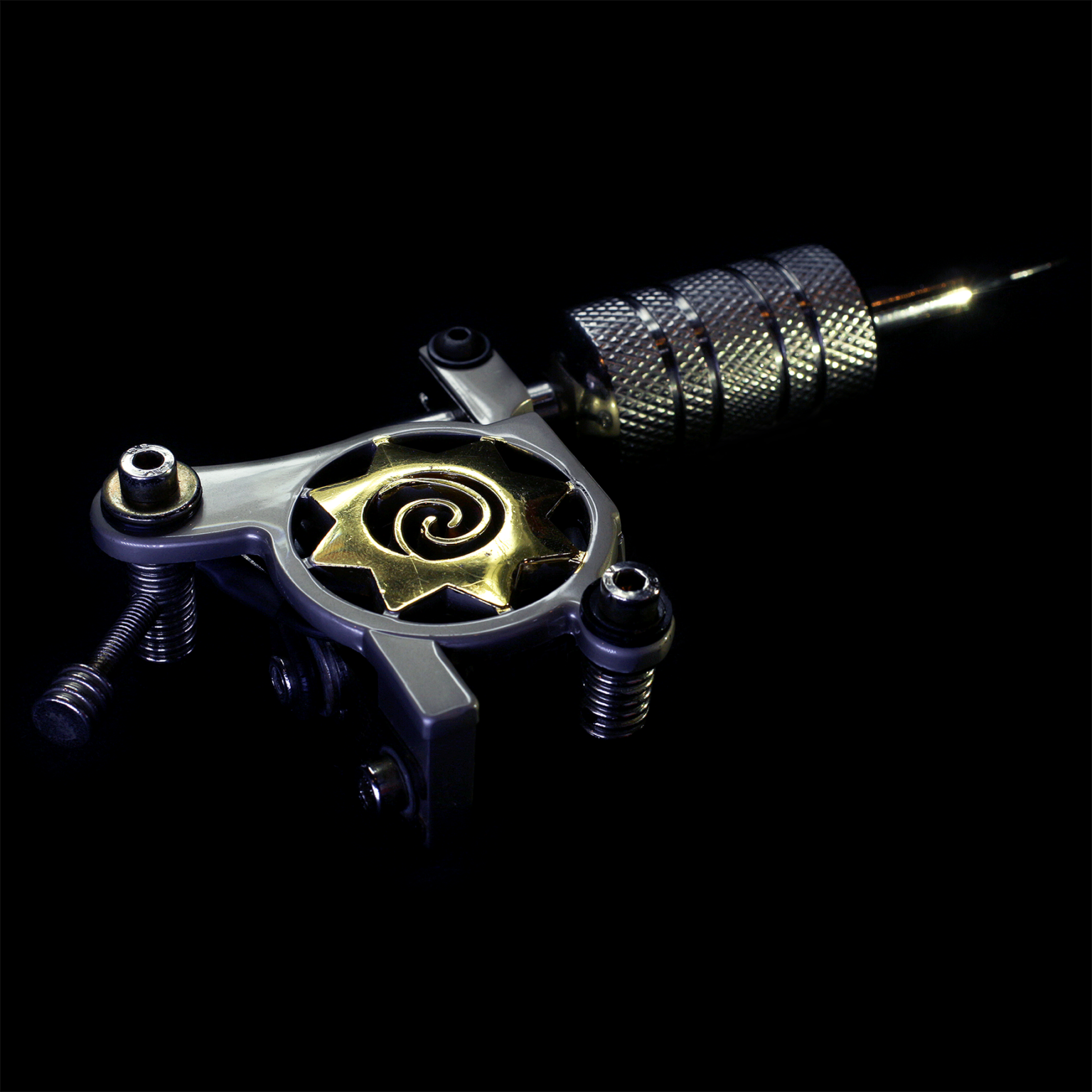
In many tattoo studios, people are now opting for pre-packaged disposable pens and cordless machines. If almost everything is thrown away straight after the session anyway, traditional instrument sterilisation naturally no longer plays a major role. But that’s only half the story. If you practise tattooing as a traditional craft, you know exactly why you swear by your tried-and-tested setup. The substantial weight of a solid stainless-steel grip in your hand, the precise adjustment of a genuine, dismantlable machine – that’s a working experience that no plastic pen in the world can replace.

However, this high-quality equipment, designed for durability, demands just as much respect after use as it does during a session. For anyone working with solid instruments, robust backstems and anodised aluminium, professional care is not a necessary evil, but the absolute foundation for a hygienic and smooth workflow. What you need for your day-to-day studio routine is a reliable, uncompromising cleaning solution. A method that removes even stubborn, dried-on ink from the finest cross-hatching, protects your expensive equipment in the long term and, above all, doesn’t prevent you from finishing work on time by forcing you to spend ages scrubbing at the sink.
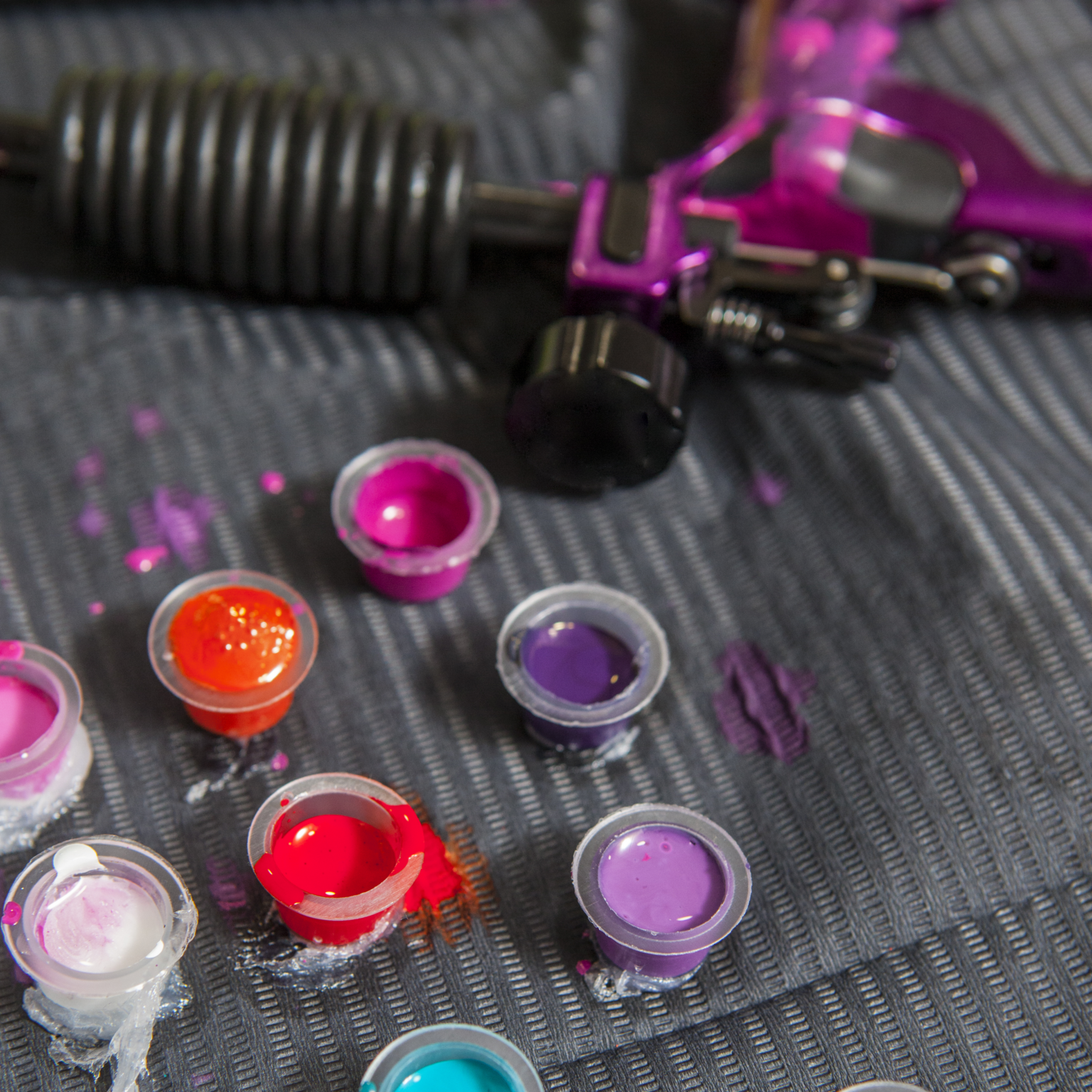
Cavitation rather than scrubbing: Why a hand brush doesn’t stand a chance against modern ink

Modern tattoo inks are truly high-performance products. Extremely highly pigmented black shades in particular (such as a classic lining black) set so stubbornly in the pores of the metal after a long session that they might as well be set in concrete. The biggest problem with manual cleaning is the fine cross-knurling on your stainless steel grips, the tiny threads and, of course, the hard-to-reach backstems. The bristles of a standard hand brush are simply too thick to penetrate right down to the bottom of these microscopic grooves. If you scrub these areas, you often only clean the surface, inadvertently pushing the pigment residue even deeper into the grooves and, over time, causing invisible micro-scratches in the material due to mechanical friction – scratches in which even more dirt can become trapped in future.

This is precisely where physics comes into play. An ultrasonic bath does not rely on mechanical friction, but on sound waves that create high-frequency zones of positive and negative pressure within the cleaning fluid. During the negative pressure phases, millions of microscopically small vacuum bubbles are formed. The crucial moment occurs in the subsequent positive pressure phase: these bubbles do not simply burst; they implode.

This process is known as cavitation. The implosions generate microscopic shock waves and tiny, extremely fast jets of liquid (micro-jets), which strike the surface of the material with tremendous force. As the cleaning fluid fills every cavity, no matter how small, every internal thread and every knurled surface, this implosion occurs precisely where the paint is stuck. The shock waves literally blast the encrusted paint pigments and organic residues off the metal – thoroughly, deep into the pores and without causing any harmful abrasion to your equipment.

After-work hack: Why leaving your kit soaking for hours can damage it

A common but serious mistake in everyday studio practice is to leave used instruments soaking in a cleaning solution for hours until the end of the working day. This does more harm than good to your equipment. That’s why you should opt for ultrasonic cleaning instead:

Choosing the right product: targeted cleaning or invasive disinfection?

The ultrasonic bath provides the mechanical action, but it is the right cleaning solution that ensures effective cleaning. Depending on the intended use of the accessory, you need to carefully consider which solution is the right one:

Removing paint residue:

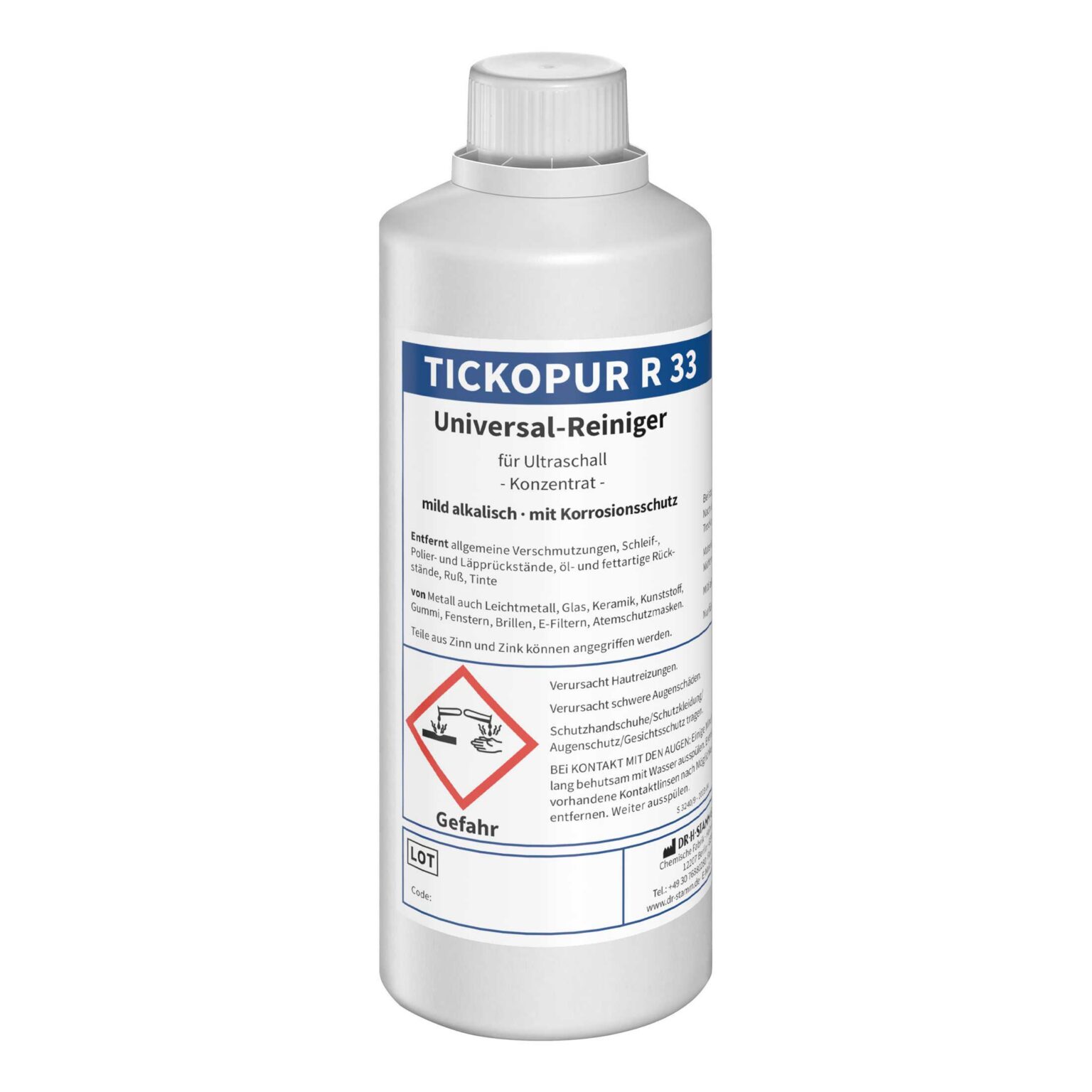
Where components that do not come into direct contact with blood are concerned, and the aim is simply to remove stubborn pigments, a tried-and-tested industrial cleaner such as TICKOPUR R 33 the best choice. It reliably removes the ink without putting undue strain on the metal.

Reconditioning following invasive use:

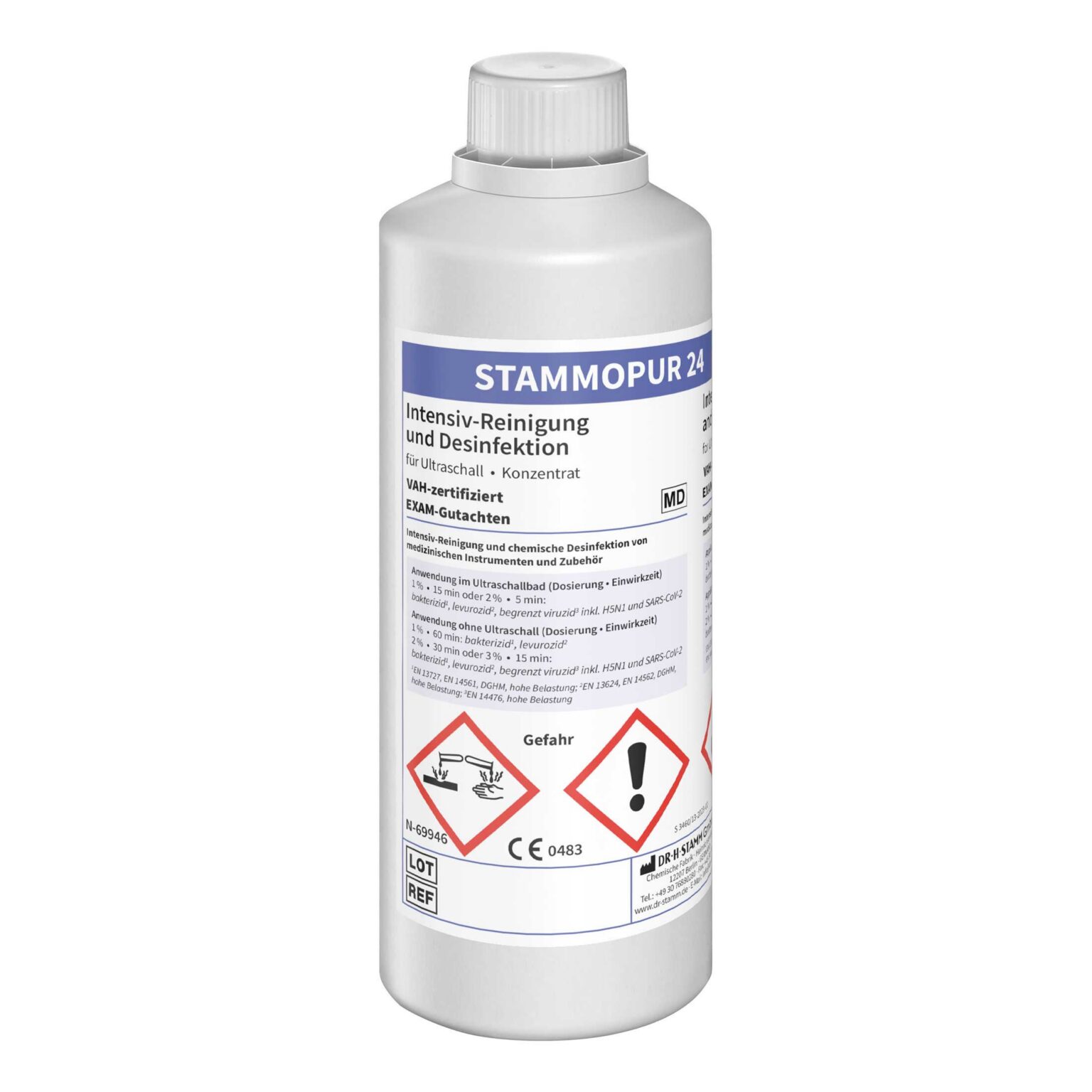
As soon as Grips and Tips come into contact with blood or wound exudate, their medical purpose takes effect. In this case, a combined cleaning and disinfectant product such as STAMMOPUR 24 required by law to ensure that biological residues are removed safely and in accordance with the relevant standards.

Protection for anodised aluminium:

Whilst stainless steel is extremely resistant to cleaning chemicals, coloured anodised aluminium grips require particular care. Products that are too aggressive will attack the anodised finish and cause the material to tarnish. It is essential to ensure that the cleaner is explicitly approved for use on aluminium.

The risk of "sterile dirt"

If Grips or Backstems are sterilised in an autoclave without thorough ultrasonic pre-cleaning, the process reaches its absolute limits. When hot saturated steam (usually at 134 °C) comes into contact with dried blood or dye residues, protein fixation occurs: the proteins coagulate instantly and become firmly baked into the micropores of the metal.
The result is what is known as „sterile dirt“, which poses two risks to your customers:

The ironclad rule of hygiene is therefore: You can only sterilise items that are already 100 per cent clean. Deep-penetrating ultrasonic cavitation is therefore not an optional intermediate step, but the essential foundation for safe sterilisation.

Legal certainty and building trust: ultrasonic cleaning as a mark of quality

During inspections, health authorities require hygiene procedures to be fully documented. A validatable sterilisation process not only offers you legal certainty, but is also your strongest selling point: transparent, medical-grade cleanliness builds customer trust and clearly positions your studio in the premium professional segment.

The ultrasonic baths in the BANDELIN SONOREX range are certified as Class I medical devices and comply fully with all regulatory requirements. They are built to be extremely robust for continuous, heavy-duty studio use, whilst remaining absolutely efficient to operate: simply place the instruments inside, start the cycle and rely on perfect results. Invest in your customers’ safety, protect your craft and upgrade your hygiene workflow now with the right technology.

FAQ – Hygiene tips for your workflow

No, this issue has been completely resolved across the industry. Tattooing needles are now, without exception, sterile, single-use products that are disposed of properly immediately after use on a client.

If you prepare fresh tap water with cleaning agent in the morning, there are still dissolved gases in the liquid. These gases prevent cavitation from operating at full capacity. The degassing function removes these gases in advance, so that the full power of the ultrasound is available right from the very first customer.

Ultrasound acts as a catalyst for cleaning and disinfection. A process that takes an hour in an immersion bath can thus be reduced to 10 minutes. The shorter the dwell time in the chemical solution, the lower the risk of the material (particularly aluminium) tarnishing or becoming brittle.

Yes, if your studio also offers piercing services, the ultrasonic cleaner is doubly useful. It’s ideal for cleaning and disinfecting both the tools needed for the piercing and the piercing jewellery itself.

Whilst stainless steel is highly resistant to damage, certain chemical products can cause coloured anodised aluminium to tarnish. It is essential that you choose a product that is compatible with aluminium, such as TICKOPUR R.

Join us in

CONTACT

E-mail

info@bandelin.com

Give us a call!

+49 30 76880-0

Address

Heinrichstraße 3-4, 12207 Berlin

Bandelin Electronic

Quality since 1955

We - a Berlin-based family business in its third generation - specialise in the development, manufacture and distribution of ultrasonic devices, corresponding accessories and application-specific cleaning and disinfection preparations. The high vertical range of manufacture, a modern production facility and motivated employees distinguish us and are guarantors for constantly new quality products.

EN