Homepage » Applications » Ultrasonic cleaning in podiatry

Ultrasound cleaning in podiatry

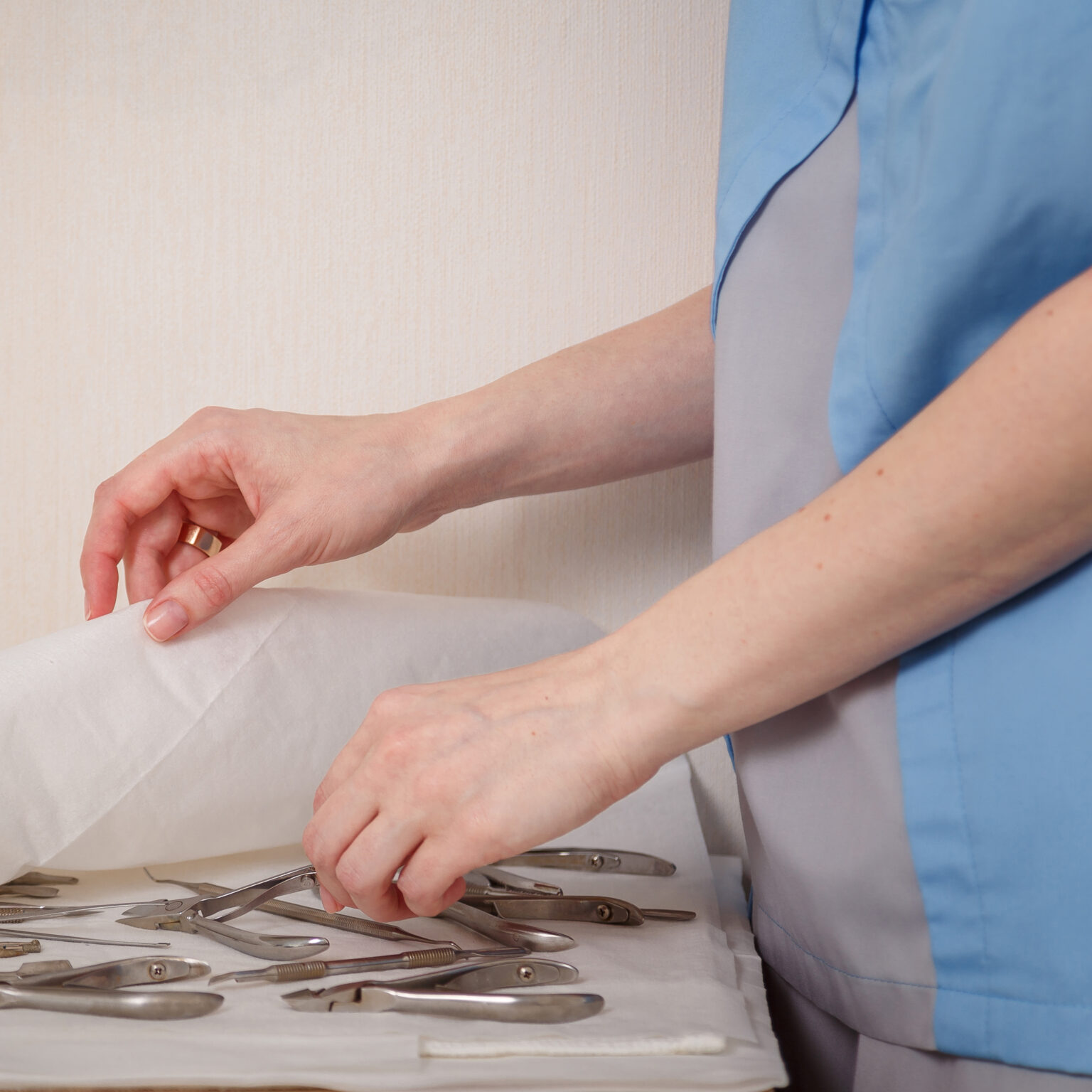
In medical foot care, you work daily with drills, forceps, probes, tweezers and grinding instruments. After each treatment, these instruments must be hygienically reprocessed and made ready for use again as soon as possible. Fine-toothed working surfaces, joints and ribbed handles in particular make cleaning a challenging task: Calluses, nail dust, tissue residues and possible traces of blood accumulate in places that are difficult to reach with a brush. If organic residues remain there, even subsequent disinfection and sterilisation may fail to have the intended effect.

BANDELIN SONOREX ultrasonic baths assist you in carrying out a thorough yet gentle pre-cleaning process. Cavitation reaches all surfaces wetted by the cleaning fluid and removes residues even from recesses, serrations and joint gaps. Delicate cutting edges and instrument surfaces are subjected to less mechanical stress than with intensive brushing. BANDELIN tailors the ultrasonic bath, immersion basket and cleaning chemicals to your instrument inventory and your practice’s reprocessing procedure. This provides you with a solution that combines professional hygiene requirements with a practical workflow.

Find the right ultrasound solution for your practice now
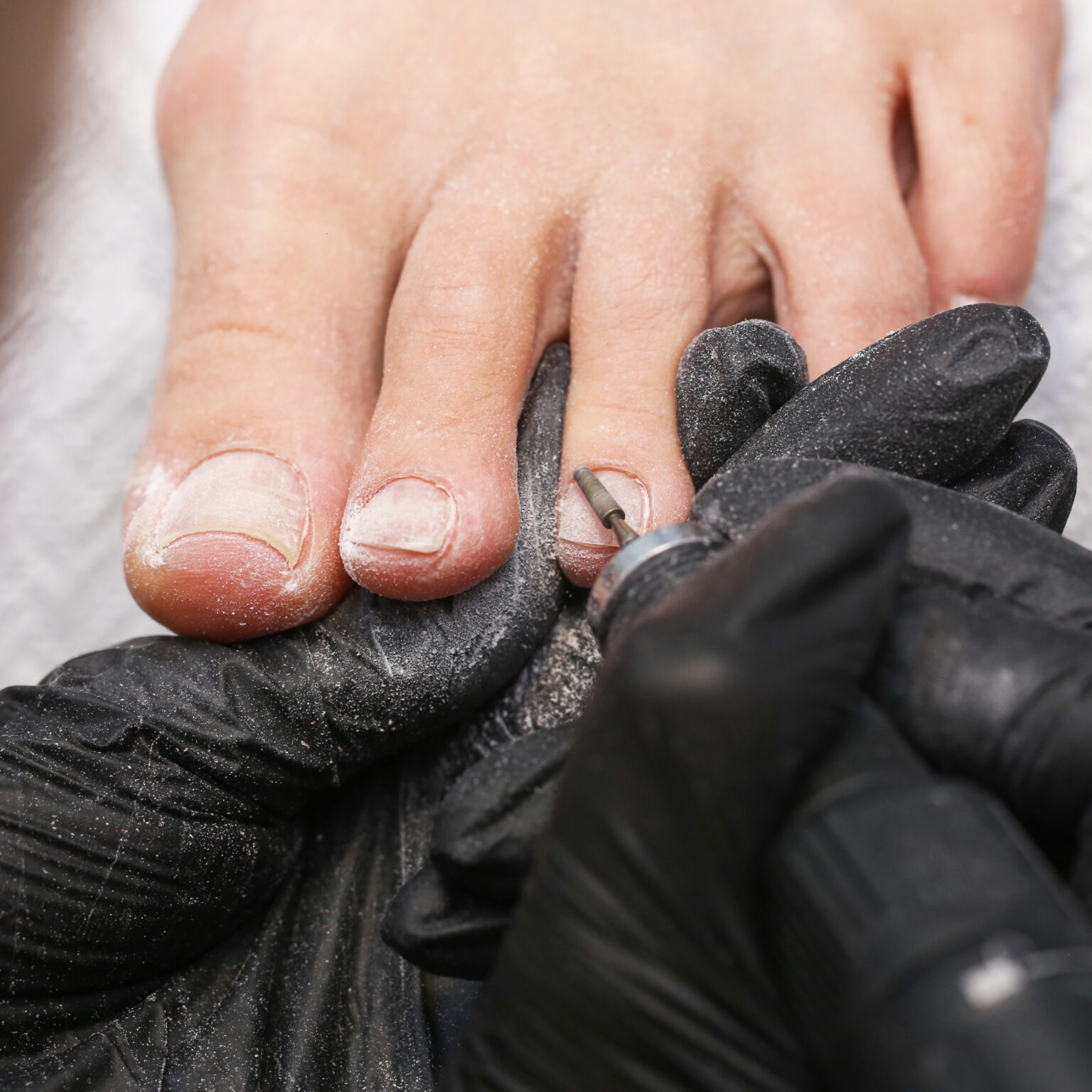
Ultrasound reaches areas that are difficult for podiatry instruments to access

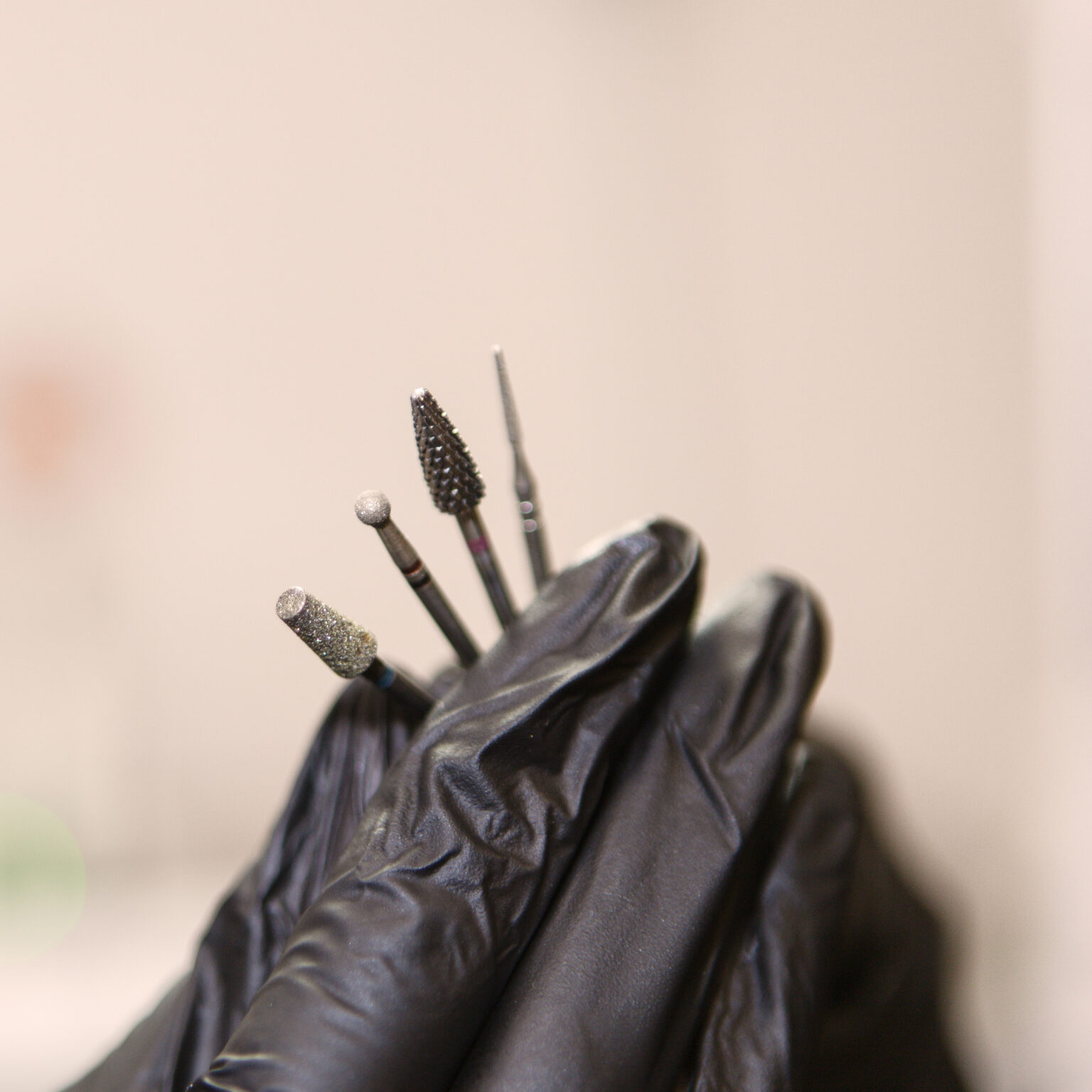
With podiatric instruments, dirt accumulates precisely where it is particularly difficult to remove: between the cutting edges of a carbide bur, on the grained surface of a diamond grinder, in the joint of a pair of forceps, or in the fine grooves of a probe. The more complex the geometry of the instrument, the greater the effort required for manual cleaning. Repeated brushing also puts strain on cutting edges, coatings and sensitive surfaces.

In the SONOREX ultrasonic bath, the entire wetted surface of the instruments is incorporated into the cleaning process. The ultrasonic waves generate microscopic cavitation bubbles in the liquid. When these implode on the instruments, they dislodge dead skin, nail debris, tissue residues and dust, even from narrow gaps and recesses. This results in uniform pre-cleaning that reaches complex instrument shapes and places less mechanical strain on high-quality burs.

The process is suitable for typical reusable stainless steel instruments, including burs, grinders, forceps, scissors, tweezers, probes and files. Articulated instruments must be opened before being placed in the machine to ensure that the cleaning solution reaches all surfaces. For instruments that are coated, bonded or made from multiple materials, the manufacturer’s reprocessing instructions must be followed.

From pre-cleaning to the release of the instruments

For your podiatry practice, it is essential to have a reprocessing procedure that is hygienically reliable and can be easily implemented in day-to-day practice. Ultrasonic cleaning forms a defined first step in this process: it removes calluses, nail debris, tissue residues and other organic contaminants from the instruments. Only on a thoroughly cleaned surface can the subsequent procedures achieve their intended effect.

Following treatment in the ultrasonic bath, the instruments are rinsed with water and dried thoroughly. The subsequent steps required depend on the risk classification and the intended use. Depending on the instrument, this is followed by chemical or thermal disinfection, and in the case of critical medical devices, sterilisation. Manufacturer’s instructions, the products used, exposure times and release criteria are set out in the practice’s hygiene and reprocessing plan.

This process prevents a false sense of security arising from instruments that appear clean on the outside but still carry organic residues. Such residues can shield microorganisms and prevent the disinfectant from fully wetting the surface. The ultrasonic bath targets precisely those grooves, joints and interlocking parts where manual pre-cleaning reaches its limits. It thus creates a robust foundation for the subsequent reprocessing steps and facilitates a consistent standard of hygiene in day-to-day practice operations.

Cleaning or cleaning with chemical disinfection?

The ultrasonic bath can be adapted to your practice’s established reprocessing protocol. The key factor is the desired outcome of each process step. An instrument cleaner is available for initial pre-cleaning only. Cleaning and chemical disinfection can be carried out in a single ultrasonic process using a preparation designed for this purpose.

To ensure that the cleaning solution reaches all parts of the instruments, all surfaces must be completely wetted. Forceps and scissors must be placed in the bath in an open position. In the case of instruments with cavities, any trapped air must be able to escape. After the ultrasonic bath, any residual specimen material is removed under running water and the instruments are carefully dried. The subsequent procedure depends on the risk classification, the manufacturer’s instructions and the hygiene plan.

Professional hygiene in cosmetic foot care

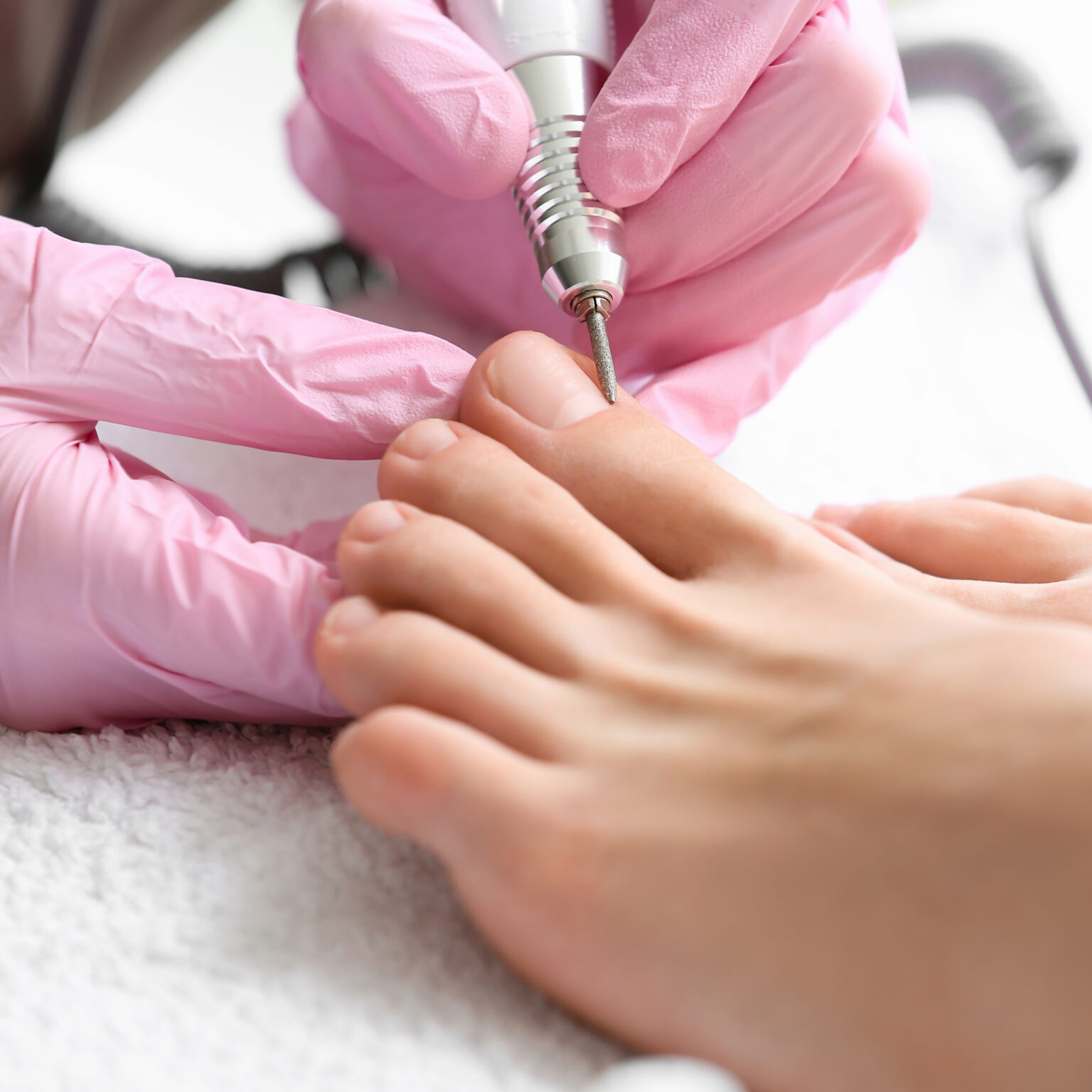
In cosmetic treatments, too, drills, pliers, scissors and files come into direct contact with the skin and nails. Nail dust, skin particles and fungal spores become lodged in the same fine structures of the instruments as in medical foot care. Minor injuries can also occur unnoticed and lead to traces of blood on the instrument.

For customers, the hygienic handling of reusable instruments is an integral part of professional treatment. An ultrasonic cleaner facilitates a clearly regulated cleaning and disinfection process and reaches areas that take a long time to clean by hand or remain difficult to access. Drills, ribbed handles and articulated instruments in particular benefit from the uniform action of the cleaning solution.

Beauty salons and chiropody practices are subject to the hygiene regulations of their respective federal state and may be inspected by the public health authority to ensure compliance with infection control measures. A compact SONOREX ultrasonic cleaner makes it easier to implement the business’s hygiene plan, even where worktop space is limited and the range of instruments is modest.

Which SONOREX equipment is right for your practice?

The choice of equipment starts with the instruments you reprocess on a daily basis. The ultrasonic bath must provide sufficient space for the largest instrument whilst also being suitable for the number of instruments per cleaning cycle. The following points are taken into account to ensure a sound choice:

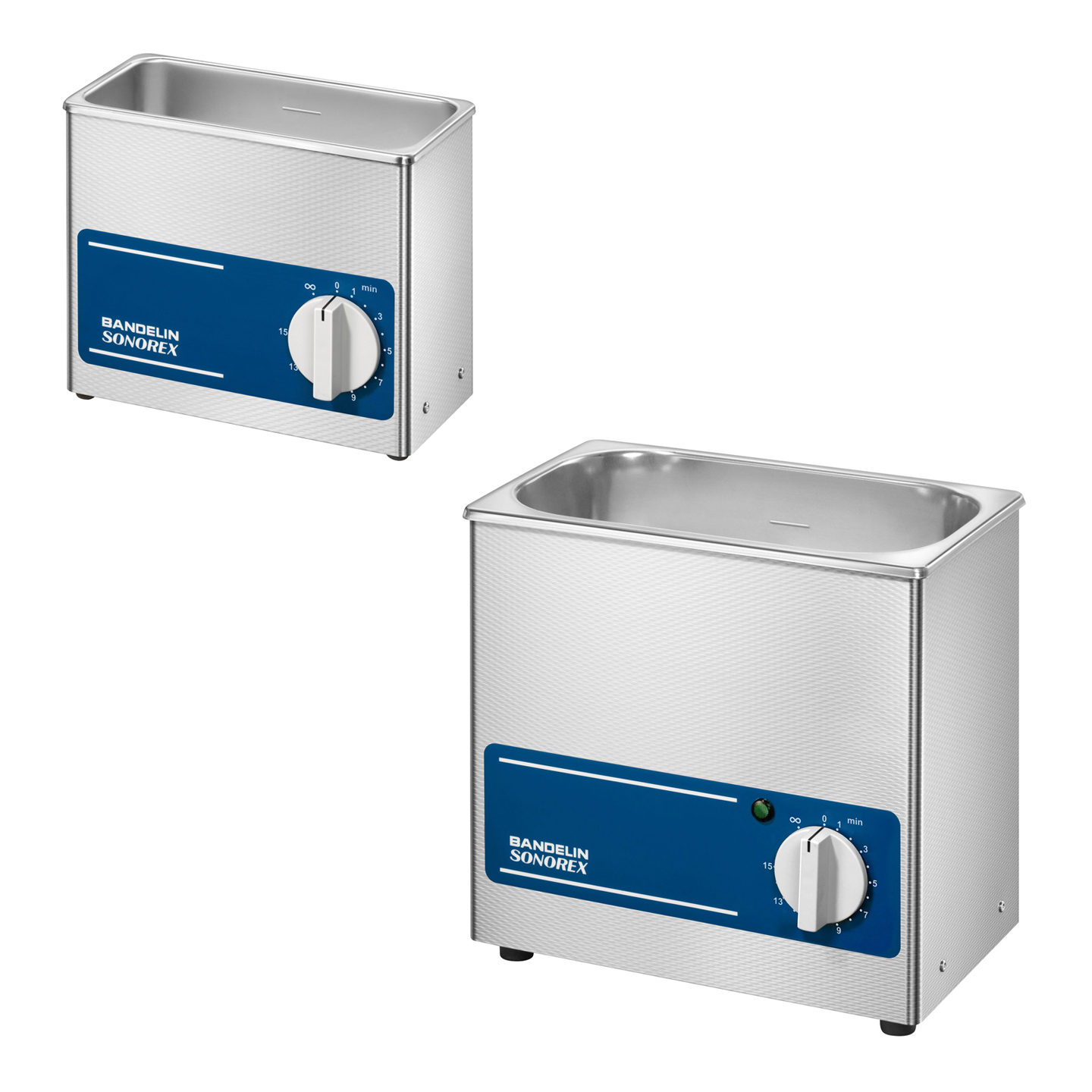
The compact SONOREX SUPER RK 31 is ideal for typical small podiatry instruments. The matching K 08 hanging basket keeps the instruments off the bottom of the tank during cleaning and ensures that the cleaning solution is distributed evenly. For practices with a high patient turnover and consequently greater instrument usage, the SONOREX RK 100 with its larger capacity may also be recommended.

The performance of the ultrasonic bath can be checked using the film test in accordance with IEC 886. The SONOREX FT 1 film test frame is available for the SONOREX SUPER RK 31. The resulting perforation pattern shows the distribution of cavitation and can be archived for subsequent performance comparisons.

BANDELIN has been developing and manufacturing ultrasonic equipment in Berlin since 1955. The application consultancy service tailors the ultrasonic bath, basket and process chemicals to your existing stock of instruments and the intended reprocessing method.

Tailor your ultrasonic cleaning with BANDELIN!

Frequently asked questions about ultrasonic cleaning in podiatry

Many stainless steel instruments are suitable for ultrasonic cleaning, including burs, grinders, forceps, scissors, tweezers, probes and files. In the case of plastics, coatings, adhesives or composite materials, the manufacturer’s specifications take precedence.

The duration depends on the cleaning agent, its concentration and the level of soiling. For combined cleaning and chemical disinfection using STAMMOPUR 24, BANDELIN specifies a contact time of five minutes at room temperature at a concentration of 2 per cent.

Ultrasonic cleaning is used for thorough cleaning or pre-cleaning. The required disinfection and sterilisation depend on the risk classification and intended use of the instrument. Instruments used in critical procedures must be sterilised after cleaning and disinfection.

The SONOREX SUPER RK 31 is a compact solution for typical small podiatry instruments. The dimensions of the instruments, the quantity per cycle and the available workspace must be checked before making a selection.

For cutters, forceps, scissors and files that are used regularly, ultrasonic cleaning makes it easier to clean hard-to-reach areas. The subsequent procedure is governed by the workplace hygiene plan and the guidelines of the relevant federal state.

Join us in

CONTACT

E-mail

info@bandelin.com

Give us a call!

+49 30 76880-0

Address

Heinrichstraße 3-4, 12207 Berlin

Bandelin Electronic

Quality since 1955

We - a Berlin-based family business in its third generation - specialise in the development, manufacture and distribution of ultrasonic devices, corresponding accessories and application-specific cleaning and disinfection preparations. The high vertical range of manufacture, a modern production facility and motivated employees distinguish us and are guarantors for constantly new quality products.

EN